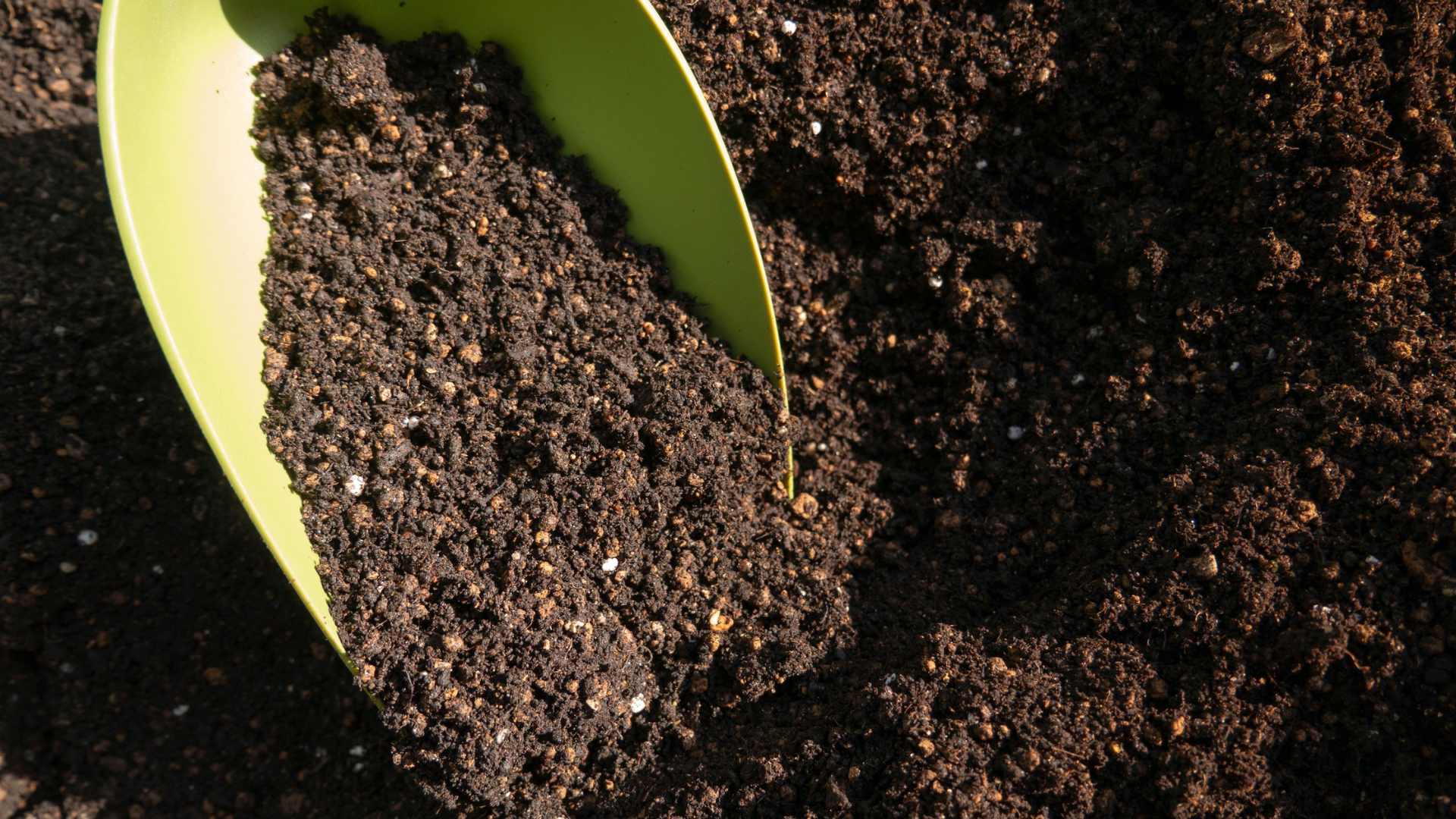
Dead soil is soil that has lost its biological activity. It often appears compacted, dry, lifeless, and struggles to support healthy plant growth.
Most gardeners assume struggling plants mean they need more fertiliser. In many cases, the real issue sits beneath the surface: the soil itself has stopped functioning properly.
Healthy soil is alive with microorganisms that help plants access nutrients, retain moisture and develop strong roots. When that living system declines, plant performance often declines with it.
Signs Your Soil May Be “Dead”
Plants stop responding to fertiliser.
The soil becomes compacted.
Water runs off instead of soaking in.
Plants struggle despite good care.
Garden beds lose vitality over time.
Why Soil Loses Its Life
Soil can gradually lose microbial activity due to several factors:
• Heavy fertiliser use over long periods
• Soil compaction from foot traffic or machinery
• Extreme heat or prolonged drought
• Excessive rain or waterlogging
• Lack of organic matter in the soil
When microbial populations drop, the natural processes that cycle nutrients begin to slow down.
How to Restore Soil Health
The goal isn’t simply to add nutrients — it’s to rebuild the soil ecosystem.
Gardeners can improve soil health by:
• Reducing unnecessary fertiliser use
• Adding compost or organic matter
• Avoiding over-tilling soil
• Supporting beneficial microbial life
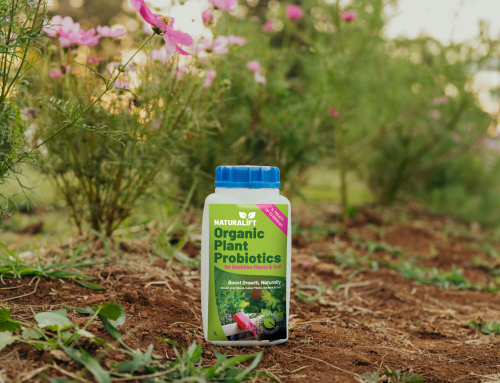
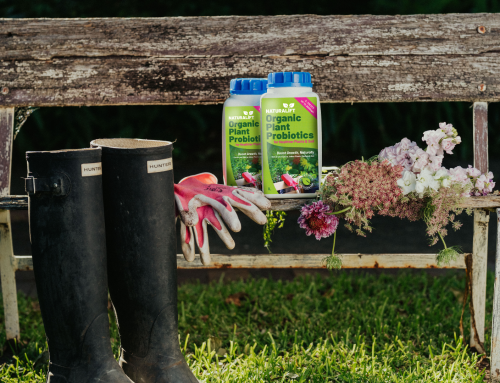
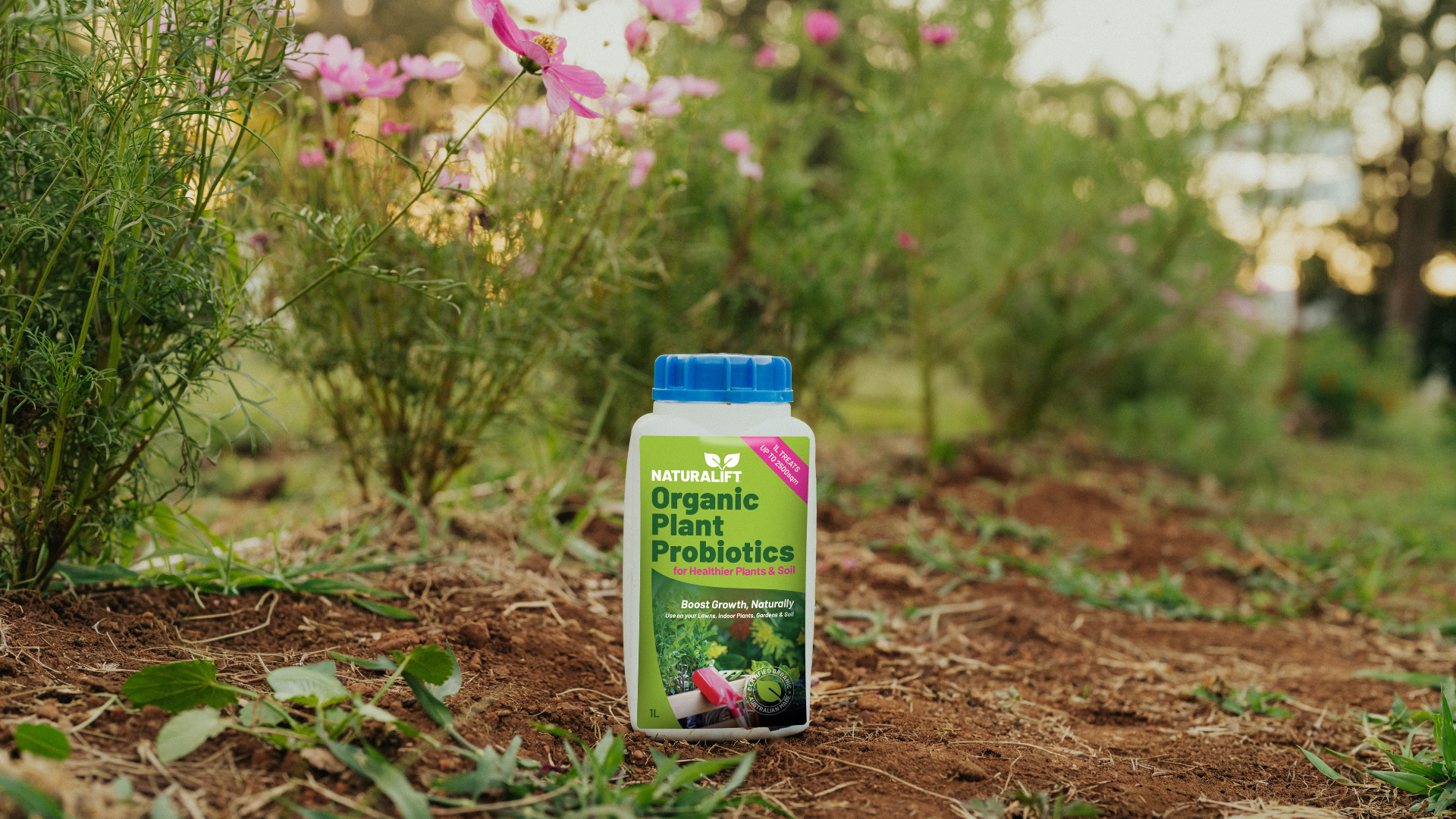
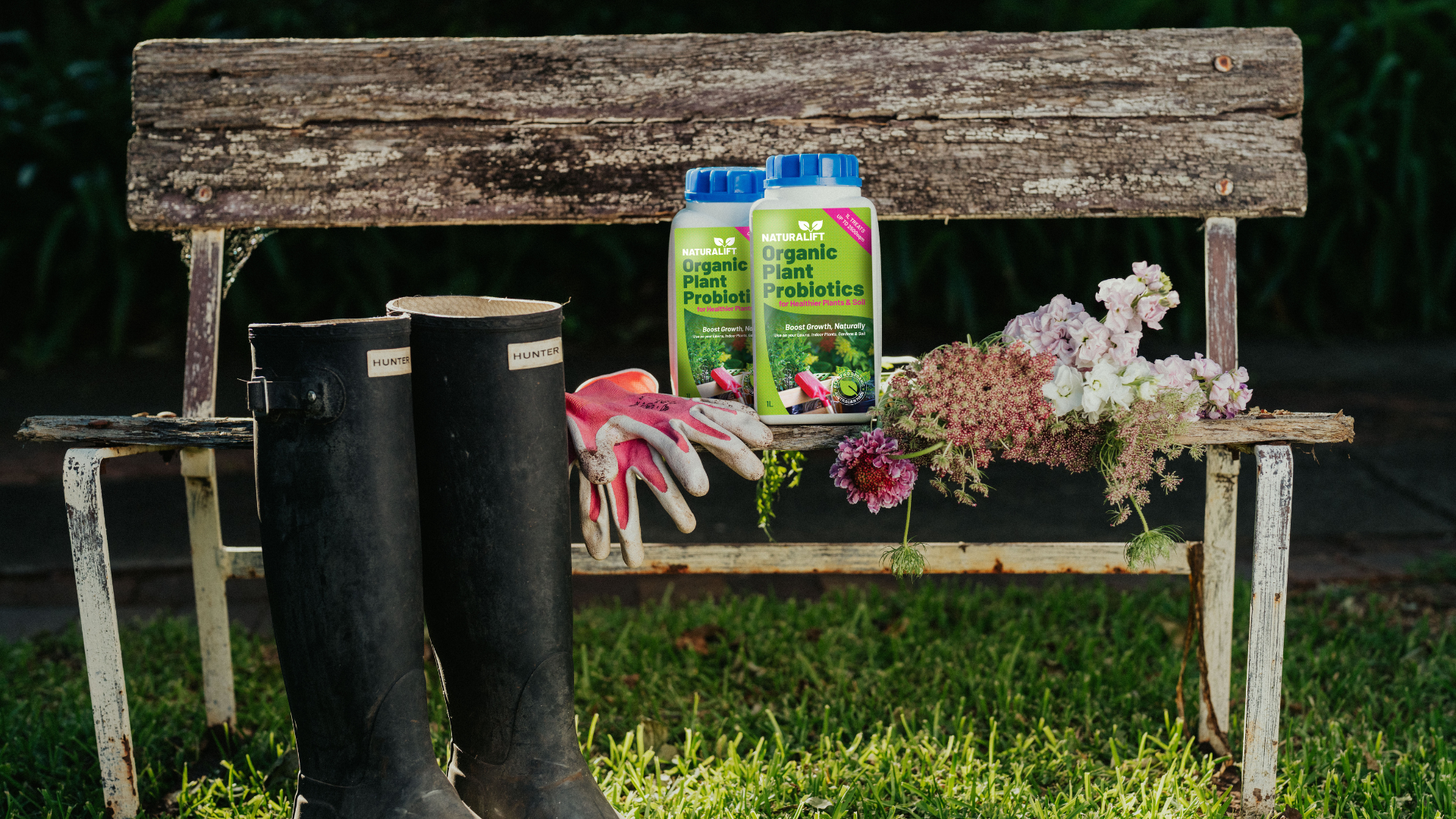
One way to encourage this is by introducing products that contain live beneficial microbes, such as Naturalift.
These microorganisms help activate soil processes that allow plants to access nutrients more efficiently and develop stronger root systems.
The Long-Term Benefit of Healthy Soil
When soil biology recovers, gardeners often notice:
• Improved plant growth
• Better water retention
• Stronger root systems
• More resilient plants during heat or heavy rain
Healthy soil supports the entire garden system — not just individual plants.
The Takeaway
If your plants aren’t responding to fertiliser or your garden beds feel lifeless, the issue may not be nutrients at all.
Often, the solution starts by restoring the living biology within the soil.