
Preparing plants for winter involves strengthening soil health, protecting roots and helping gardens recover from summer stress.
While winter often feels like a quiet period in the garden, it is actually one of the most important times to support soil health and prepare for the growing season ahead.
Many plants enter a slower growth phase during winter, which makes it the ideal time to focus on the foundations of your garden.
Why Winter Preparation Matters
After months of heat, wind and heavy watering, garden soils can become stressed or depleted.
Without preparation, plants may enter winter weaker and struggle to perform well when spring arrives.
Winter preparation helps:
- Protect plant roots
- Restore soil balance
- Improve resilience for the next growing season
Key Steps to Prepare Your Garden
Remove Dead or Stressed Plant Material – Clearing away dead leaves and damaged plants reduces disease risk and allows healthier plants to thrive.
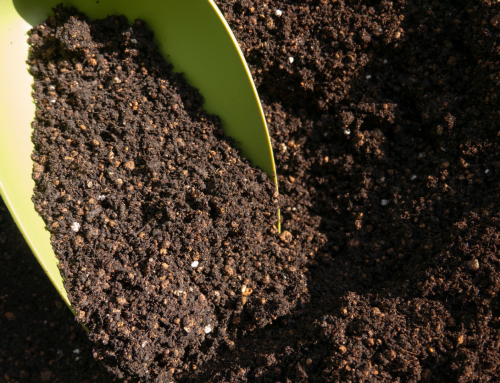
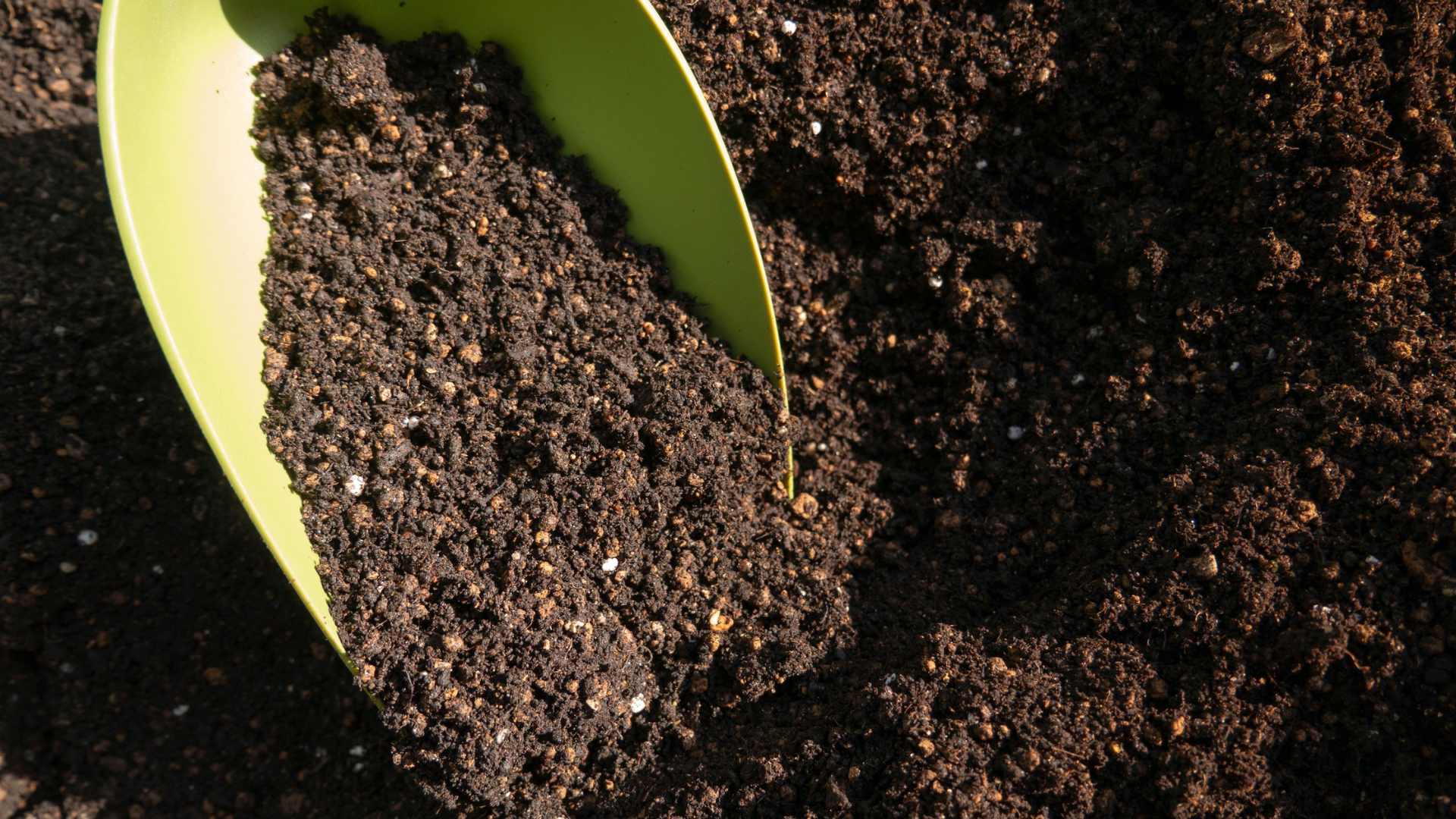
Improve Soil Structure – Adding organic matter such as compost can help improve soil structure and moisture retention through the cooler months.
Support Soil Biology – Beneficial microorganisms continue working in soil during winter. Supporting these natural processes can help maintain soil health year-round.
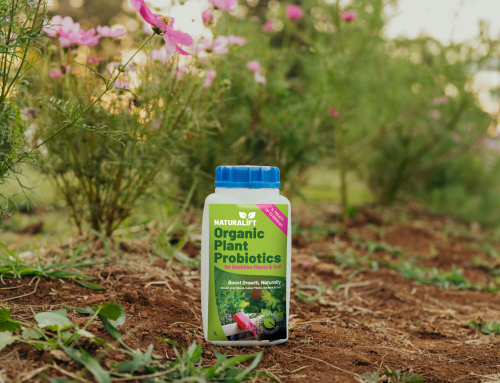
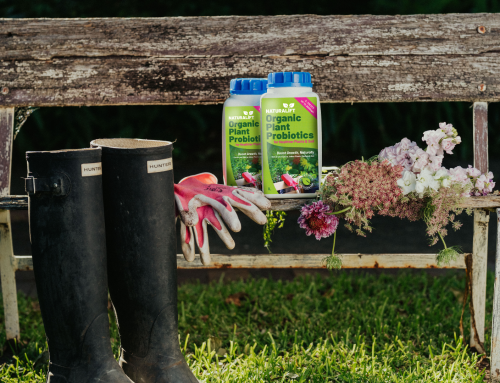
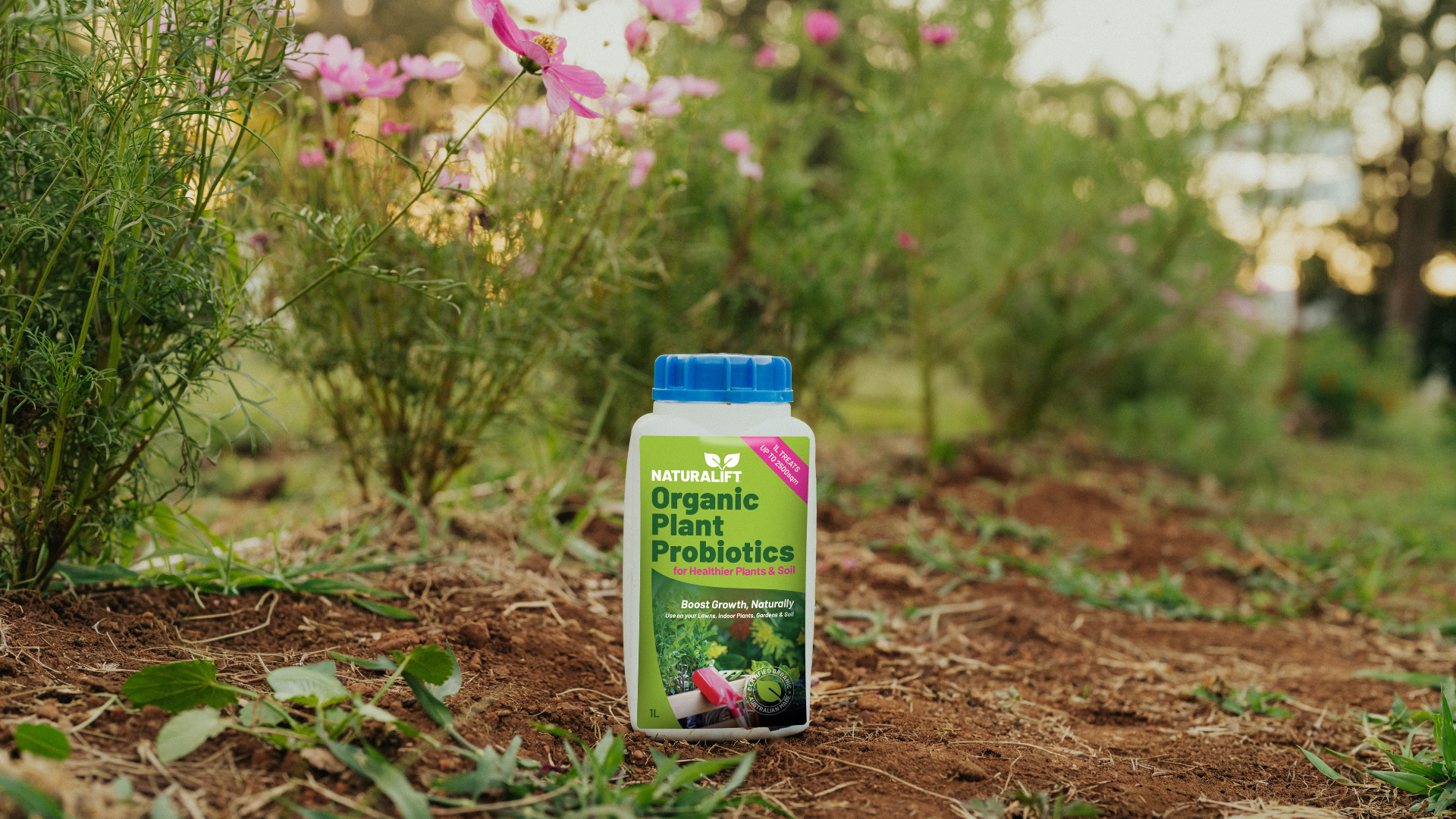
Products containing live beneficial microbes, such as Naturalift, can help activate soil biology and prepare gardens for spring growth.
Mulch Garden Beds – Applying mulch protects soil from temperature fluctuations, improves moisture retention and supports microbial activity.
Winter Is a Foundation Season – Many gardeners focus heavily on spring planting, but winter preparation is what sets gardens up for success.
Healthy soil built during winter often leads to:
- Stronger root development
- Better plant growth in spring
- Improved resilience through summer
The Takeaway
Winter is not a dormant period for your soil. It’s a time to rebuild and strengthen the underground systems that support healthy plants.
By focusing on soil health now, you give your garden the best chance to thrive when warmer weather returns.