Short answer: Fertiliser feeds plants, but if your soil biology isn’t active, plants can’t properly access those nutrients. When soil life is depleted, fertiliser alone often stops delivering results, even if you apply more.
This is one of the most common frustrations gardeners are experiencing right now, particularly after periods of heat, heavy rain, or repeated fertiliser use.
Why this problem happens
Plants don’t absorb nutrients directly from fertiliser in the way many people expect.
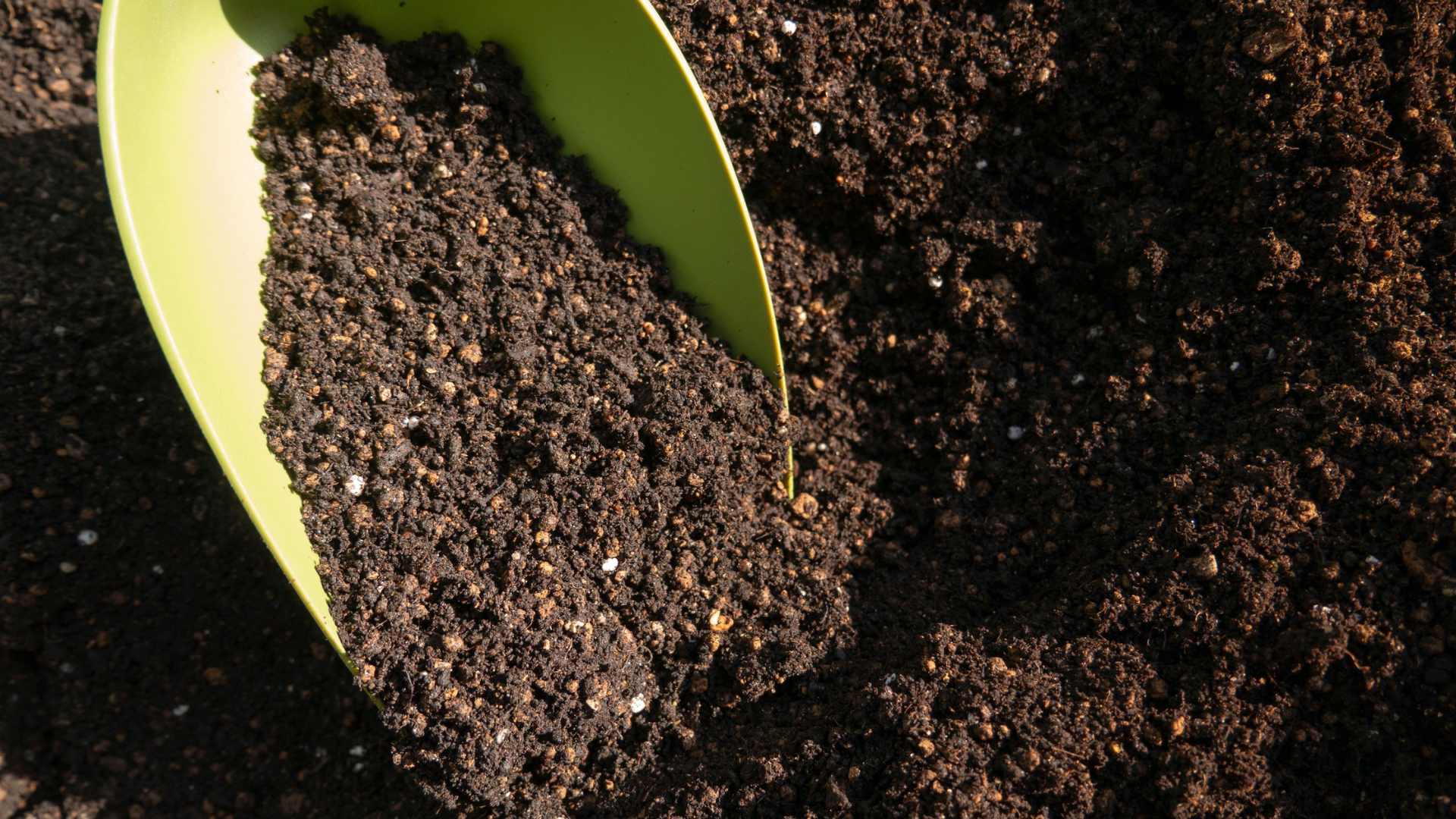
In healthy soil, nutrients are made available to plant roots through a living system of microbes, fungi and bacteria. These organisms break nutrients down into plant-available forms and help move them through the soil profile.
When soil biology is reduced or inactive, fertiliser can still be present but it becomes far less effective.
Common contributors include:
• Prolonged heat or dry conditions
• Heavy rainfall that disrupts soil structure
• Compacted or heavily worked soil
• Repeated reliance on fertiliser without supporting soil life
Over time, the soil becomes less responsive, even though you’re “doing everything right”.
Why common solutions often fall short
When plants stop responding, the instinct is usually to:
• Apply more fertiliser
• Switch fertiliser brands
• Increase application frequency
While fertiliser is still useful, this approach doesn’t address the underlying issue. If soil biology is compromised, adding more nutrients won’t solve the access problem and can sometimes add further stress to plants.
This is why gardens may green up briefly, then stall again.
What actually helps long-term
Long-term improvement comes from restoring the system that allows plants to feed themselves properly.
That means:
• Supporting microbial activity in the soil
• Improving nutrient cycling rather than just nutrient supply
• Helping roots interact with the soil more efficiently
Healthy soil biology improves:
• Nutrient uptake
• Root development
• Plant resilience during heat and stress
• Consistency of growth over time
This is the layer that’s often missing in modern gardens.
Where a mcbrobial biostimulant fits
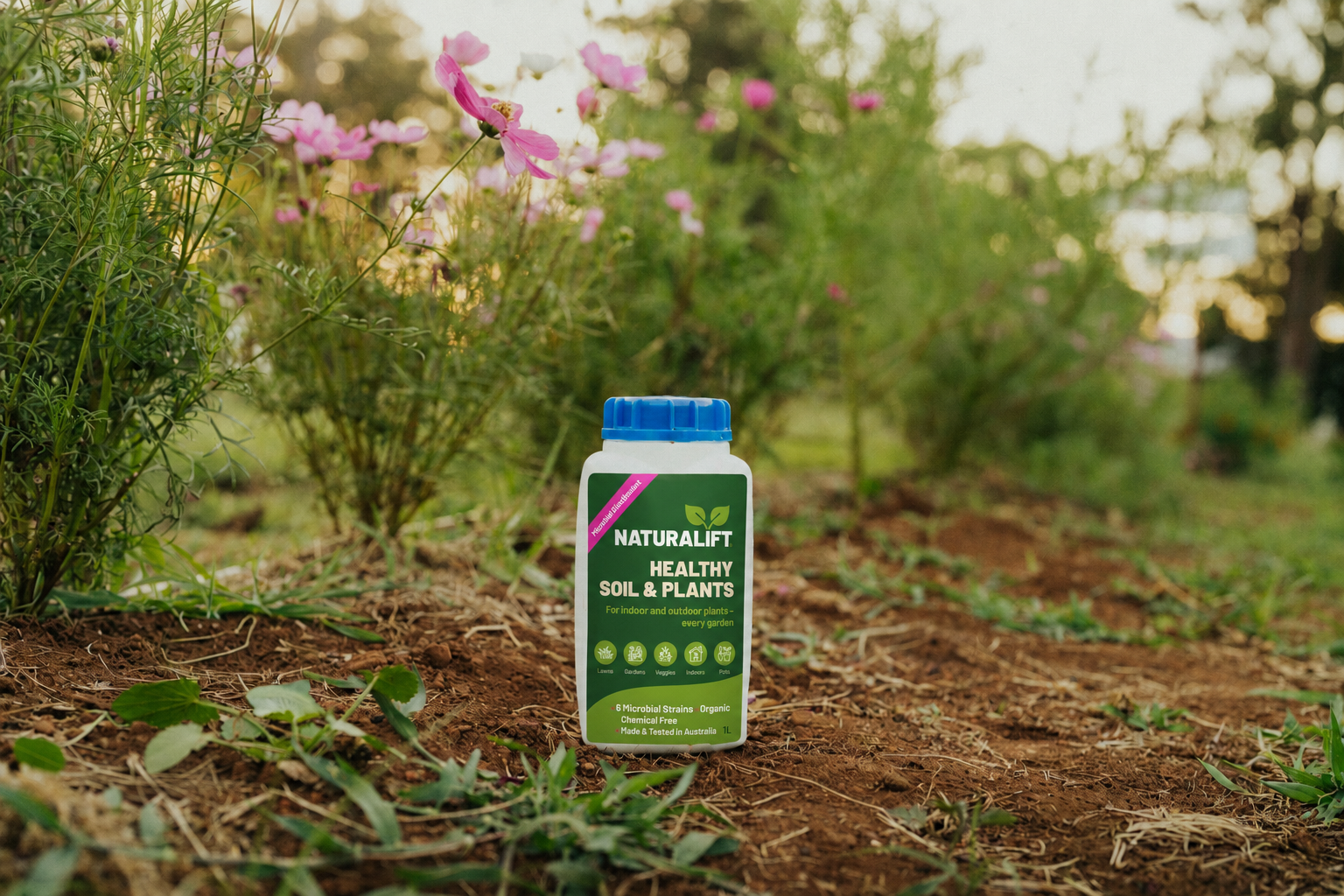
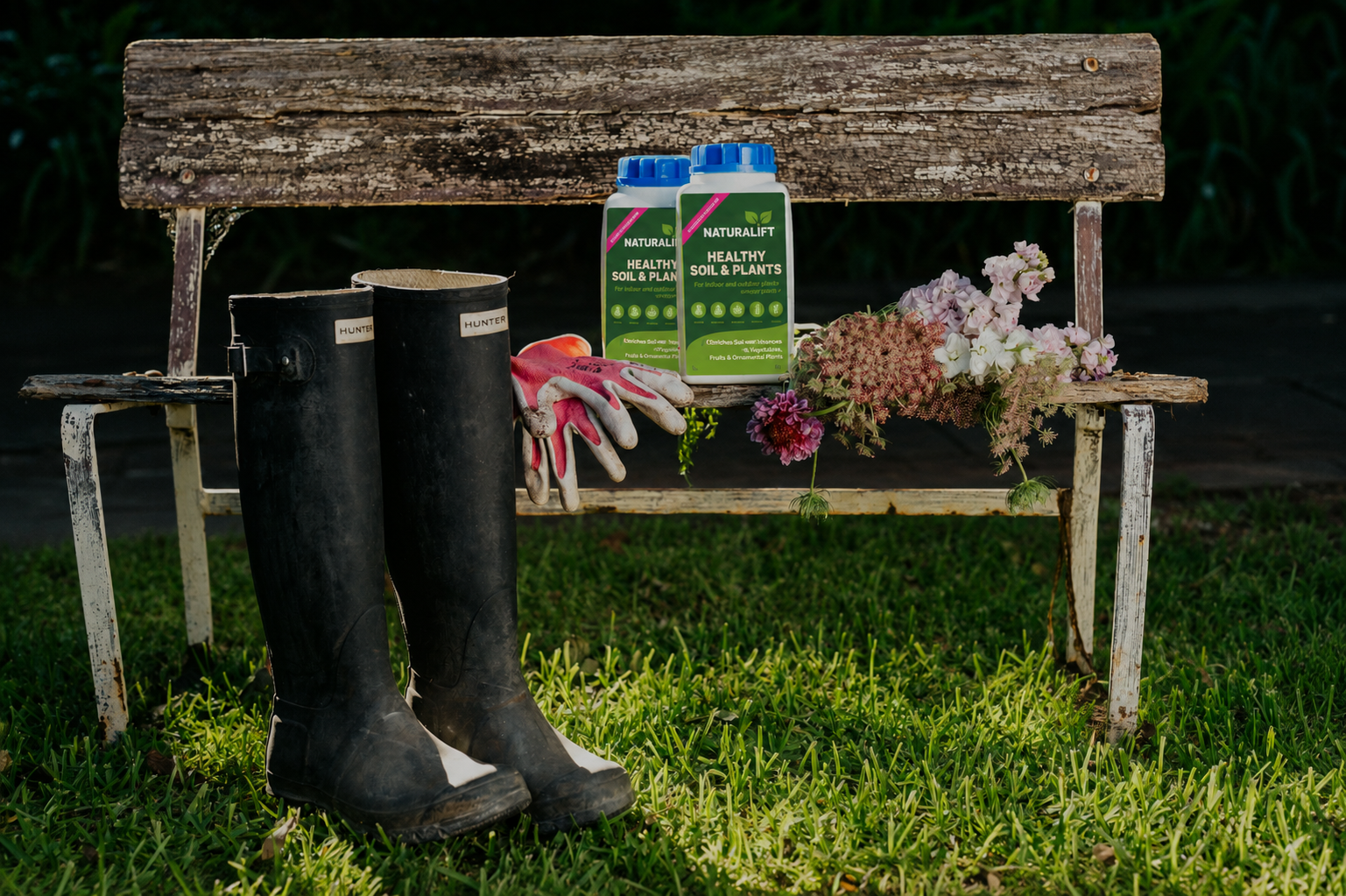
Products like Naturalift are designed to support soil biology rather than replace fertiliser altogether.
A plant probiotic works alongside your existing garden routine by:
• Introducing beneficial, live microbes into the soil
• Supporting nutrient availability already present
• Helping soil recover after stress events
It’s not a quick fix and it’s not intended to replace fertiliser completely but it can help restore balance so plants respond again over time.
When fertiliser still has a place
Fertiliser remains useful when:
• Nutrients are genuinely deficient
• Plants are actively growing and able to uptake nutrients
• Soil biology is supported alongside feeding
The most effective approach isn’t fertiliser or soil health it’s understanding when each plays a role.
The takeaway
If your garden has stopped responding to fertiliser, the issue is often less about what you’re feeding and more about what’s happening in the soil.
Supporting soil biology helps plants do what they’re designed to do naturally: access nutrients, grow steadily, and cope better with stress.
Read More:
Microbial Biostimulant vs Fertilisers: What’s the Difference?
Naturalift Welcomes Its First Wholesale Stockist: Robins Nest Nursery, Cohuna